
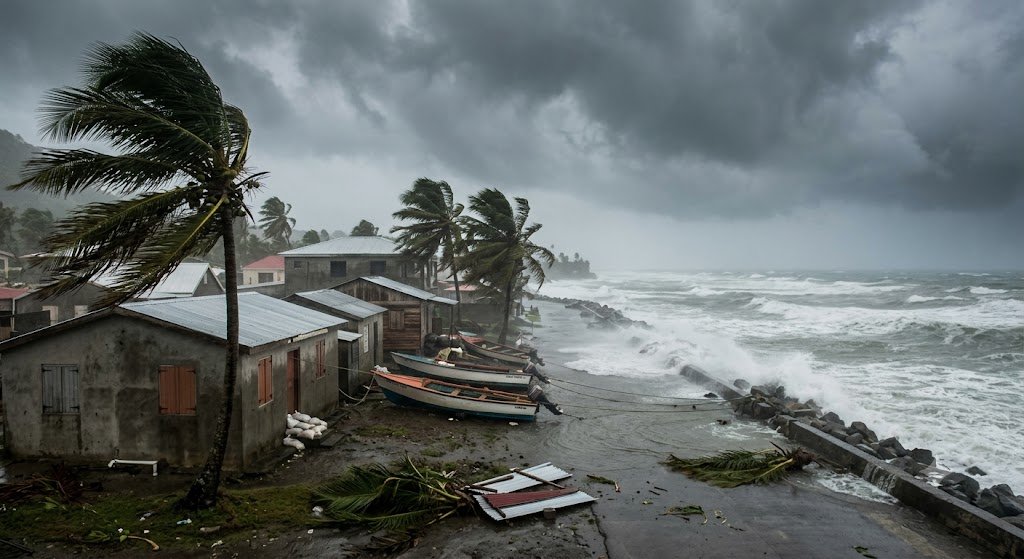
Tropical Storm Bertha:
Have you ever heard of tropical storm bertha? If you live near the coast, you might know this name well. It’s a name that has been used for many different storms over the years. Some of these storms were small. Others caused big problems for millions of people.
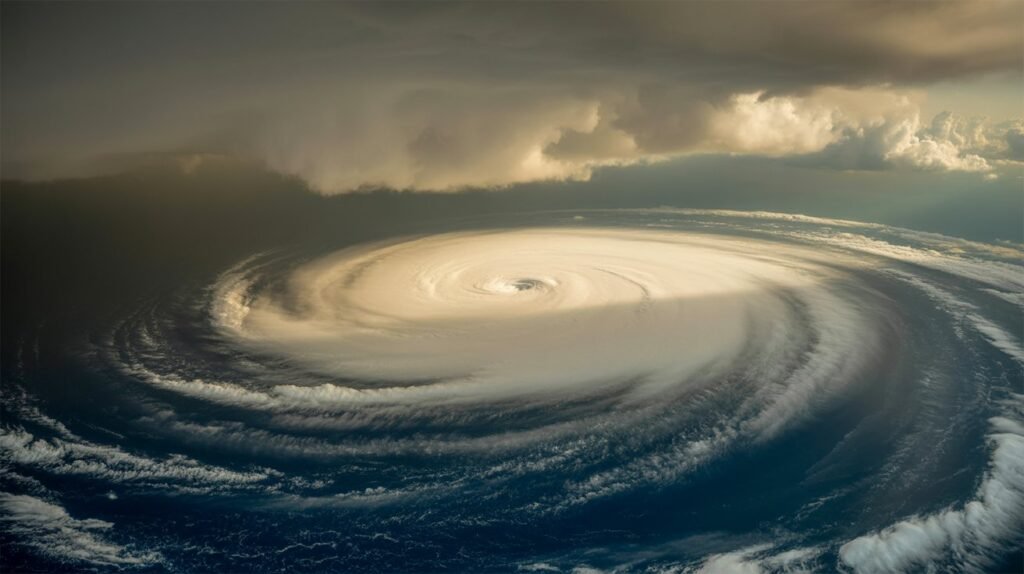
Weather is always changing. Sometimes, a storm can form in just a few hours. That is why we need to understand how they work. It helps us stay safe and protect our homes.
In this post, we’ll look at the history of this storm name. We’ll see how it has impacted different places. We’ll also share some simple tips to help you prepare for the next big storm.
What is Tropical Storm Bertha?
A tropical storm is a type of wet, spinning weather system. It starts over warm ocean waters. To be called a tropical storm, it must have winds of at least 39 miles per hour. If the winds get faster than 74 miles per hour, it becomes a hurricane.
The name Bertha has been on the storm list for a long time. The World Meteorological Organization chooses these names and reuses the list every six years. If a storm is very deadly, they retire the name. Bertha has never been retired, so the name keeps coming back.
We have seen several storms with this name. Each one was a bit different. Some stayed out at sea. Others hit land with a lot of rain and strong winds. If you want to stay safe when these systems form, you can read our extreme weather safety tips. It is always good to have a plan before the rain starts.
The History of the Name Bertha
The name Bertha has been used for Atlantic storms since 1957. Since then, we have seen both big and small storms with this name. Let us look at some of the most notable ones from recent years.
Tropical Storm Bertha in 2020
The 2020 storm was very unusual. It formed very quickly on May 27, 2020. In fact, it became a storm just hours before it hit land. This didn’t give people much time to get ready.
It made landfall near Isle of Palms, South Carolina. The storm had winds of about 50 miles per hour and brought heavy rain. Some areas got over five inches of water in a very short time. This caused flooding on many local roads.
Thankfully, the storm didn’t last long. It weakened quickly as it moved inland. But it showed us how fast these weather events can build up. You can go from a clear sky to a wet mess in just one day.
Tropical Storm Bertha in 2014
The 2014 version of the storm was different. It started as a tropical wave near the Cape Verde islands. It grew into a tropical storm on July 31, 2014. It then moved through the Caribbean sea.
This storm hit islands like Dominica and Puerto Rico. It brought strong winds and knocked out power for thousands of people. After that, it moved north. It passed between the US East Coast and Bermuda.
Later, it became a hurricane. It stayed over the ocean for most of its life. But then it did something strange. It traveled all the way to the United Kingdom and caused heavy rain there.
Hurricane Bertha in 2008
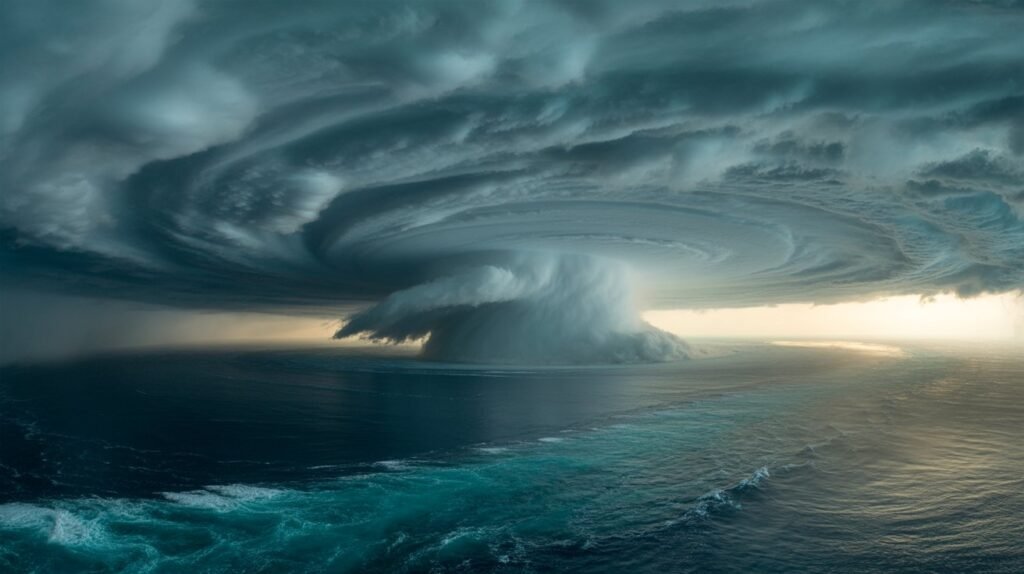
We can’t talk about this name without mentioning 2008. In July of that year, Bertha became a major hurricane. It had winds of 125 miles per hour at its peak. It was the longest-lived July storm on record at that time.
It lasted for more than two weeks. It spent most of its time over the open Atlantic and didn’t hit the US mainland directly. However, it created large waves along the East Coast. Sadly, these waves led to water rescues and some deaths.
Why Do Some Storms Form So Fast?
You might wonder why a storm like the 2020 one can form so quickly. The answer is warm water. Warm ocean water is like fuel for a storm. If the water is hot, the air above it rises fast.
This rising air creates a low-pressure area. Then, wind blows in to fill the space. The spin of the Earth makes the wind turn. If there is low wind shear, the storm can grow in a few hours.
Wind shear is when wind speed or direction changes at different heights. In 2020, the wind shear was very low and the water was warm. That is why the storm grew so fast.
To learn how we watch these fast storms, check out our guide on hurricane tracking. It explains the tools scientists use to spot danger early.
How to Prepare for Sudden Tropical Storms
Sudden storms can catch you off guard. You should not wait for a storm warning to get ready. It is best to have a plan in place all year.
First, make an emergency kit. Put it in a safe place in your home. It should have things you need to survive for three days. Here is a simple list of items to include:
- Water: One gallon per person per day.
- Food: Canned goods and snacks that do not spoil.
- Flashlight: To see if the power goes out.
- Batteries: Extra power for your tools.
- First Aid Kit: Bandages and basic medicine.
- Radio: A battery-powered one to hear weather updates.
Second, secure your home. Clean your gutters so rain can flow away. Trim tree branches near your roof. If you have outdoor furniture, bring it inside when a storm is coming. These items can fly away in high winds.
Third, know your zone. Do you live in a flood area? If yes, you might need to leave your home during a big storm. Find out where the nearest shelter is. Keep a map in your car just in case.
Comparing the Different Bertha Storms
Let us look at how these different storms compare. This table shows some key facts about three of them.
| Year | Peak Wind Speed | Main Areas Affected | Damage Level |
|---|---|---|---|
| 2008 | 125 mph | Bermuda, US East Coast (waves) | Low (mostly offshore) |
| 2014 | 80 mph | Caribbean Islands, UK | Moderate |
| 2020 | 50 mph | South Carolina, North Carolina | Low (some flooding) |
As you can see, storms with the same name can be very different. Some are fast and weak. Others are slow and strong. We must respect all of them.
Frequently Asked Questions
When is hurricane season?
In the Atlantic, hurricane season runs from June 1 to November 30. This is when the ocean water is warmest. However, storms can form before or after these dates. The 2020 storm formed in late May, just before the official start.
How do storms get their names?
The World Meteorological Organization has lists of names for each year. These lists repeat every six years. The names are in alphabetical order and alternate between male and female. Bertha is always the second name on the list.
What is the difference between a tropical depression and a tropical storm?
A tropical depression has wind speeds below 39 miles per hour. It is a weak system. Once the winds reach 39 miles per hour, it becomes a tropical storm. At that point, it also gets an official name.
Can a tropical storm cause a lot of damage?
Yes, it can. Even if the winds are not as strong as a hurricane, the rain can be dangerous. Slow-moving storms can dump feet of water on a city. This leads to major floods that ruin homes and roads.
How can I stay updated during a storm?
You can listen to local news or NOAA Weather Radio. You can also use weather apps on your phone. Make sure your phone is charged before the storm hits. It is a good idea to have a backup battery pack.
Staying Safe in the Future
Storms are a part of life if you live near the coast. We can’t stop them from forming. But we can change how we react to them. Being ready is the best way to protect your family.
The story of the 2020 storm teaches us a lesson. We can’t assume we will have days to prepare. Sometimes we only have hours. Keep your emergency kit ready and check your home for weak spots.
Do you have a storm story to share? Have you ever lived through a storm like this? Let us know in the comments below. We would love to hear your tips on how you stayed safe.










Leave a Reply